3D Christmas Card Layered SVG: A Crafts & Graphics Designer’s Review for Real Content Publishing
First Impressions: A Festive, Layered Design with Editorial Potential
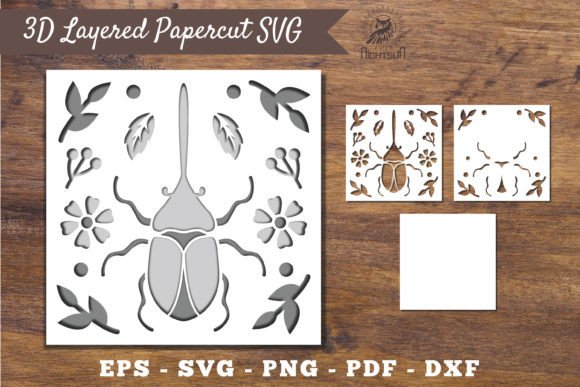
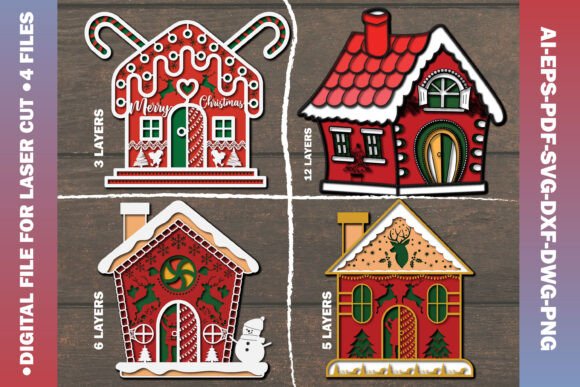
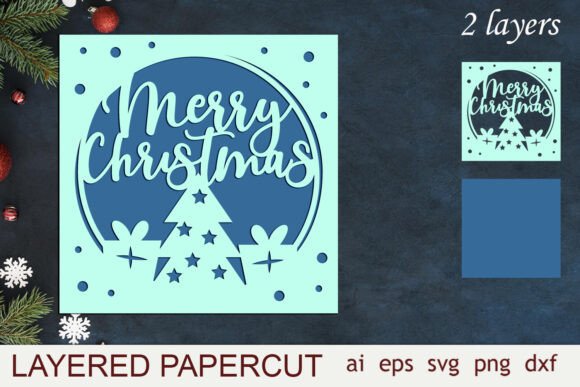
As a blog designer and digital publisher, my first reaction to the 3D Christmas Card Layered SVG was immediate: this is a visually rich, layered design that brings a sense of warmth and holiday cheer. It feels playful yet polished, with a handmade aesthetic that still maintains a professional edge. The layered SVG format makes it ideal for crafting both digital and print content, especially for bloggers and content creators looking to elevate seasonal content with a strong visual identity.
The design naturally supports lifestyle, seasonal, and creative niches—think holiday gift guides, festive DIY projects, Christmas-themed affiliate content, or even digital printables for small business owners. It carries a decorative, artistic mood that can easily become a centerpiece for editorial layouts or downloadable resources.
Real Use Cases: From Blog Graphics to Digital Products
Let’s talk real publishing workflow. I tested this design in a few key areas of content creation:
- Blog featured images – Works beautifully as a holiday header or category thumbnail when resized and layered with text overlays.
- Pinterest pins – Its layered depth makes it stand out in feeds, especially when paired with bold text and a clean background.
- Email newsletter headers – Ideal for seasonal campaigns, especially when used in a Canva template or HTML email layout.
- Downloadable printables – Perfect for crafting Christmas-themed worksheets, gift tags, or digital guides.
- Social media graphics – Great for Instagram stories or Facebook posts that highlight seasonal offerings or affiliate links.
This graphic design asset shines when used in content upgrades or lead magnets—especially around the holiday season. Whether you're creating a digital guide on holiday crafts or a printable advent calendar, this SVG can be repurposed across multiple formats with minimal effort.
How It Boosts Content Performance
From a visual communication standpoint, the 3D Christmas Card Layered SVG offers several advantages:
- Stronger first impression – Its depth and festive theme immediately catch the eye, helping your content stand out in crowded feeds.
- Clearer visual hierarchy – The layered structure allows for easy integration with headlines, subheaders, and call-to-action buttons.
- Better click-through potential – Especially on Pinterest and social media, where visual appeal drives engagement.
- Consistent branding – When used across multiple content formats, it reinforces your holiday or seasonal brand identity.
- Improved reader trust – Professionally layered designs signal attention to detail, which readers subconsciously associate with quality content.
For bloggers and digital marketers, these small design touches can have a measurable impact on bounce rates, time on page, and conversion rates—especially when promoting seasonal affiliate products or digital downloads.
Where It Works Best
This design asset performs strongest in the following publishing contexts:
- Hero images – Especially during the holiday season, it adds warmth and visual depth to landing pages.
- Article thumbnails – Works well for seasonal posts like “Top 10 Christmas Crafts” or “Holiday Gift Ideas for Kids.”
- Newsletter headers – A great visual hook for December editions of email campaigns.
- Content upgrades – Perfect for downloadable guides, printables, or Canva templates aimed at crafters and DIY enthusiasts.
- Social media previews – Especially effective for holiday-themed posts or affiliate content visuals.
Where to Use It Carefully
Despite its charm, the 3D Christmas Card Layered SVG may not be the best fit for every use case:
- Small mobile thumbnails – The layered detail can get lost on tiny screens.
- Text-heavy blog images – Too much detail may distract from readability.
- Low-contrast backgrounds – May not pop as well in minimalist layouts.
- Busy layouts – Can compete with other visual elements if not balanced properly.
- Corporate or serious niches – Not ideal for finance, legal, or tech-focused content unless reimagined with a modern twist.
Publisher’s Notes: Practical Tips for Best Results
Here’s what I recommend before publishing with this SVG design:
- Test on desktop and mobile – Ensure the layers remain visible and readable on all screen sizes.
- Preview as a thumbnail – Check if it maintains visual clarity when scaled down.
- Try it in a real blog layout – See how it interacts with your site’s fonts, spacing, and color palette.
- Layer with headline text – Test readability with different font types (serif, sans serif, script, etc.).
- Check contrast and readability – Especially if you plan to convert it to black and white or grayscale.
- Optimize file size – Compress SVGs for fast web loading without losing visual quality.
- Confirm commercial licensing – Always verify usage rights before publishing on monetized sites or affiliate pages.
As a creative marketplace buyer, I appreciate that this SVG comes with ready-to-cut files for Cricut, Silhouette, and similar tools—making it not just a digital design asset, but a bridge between digital and physical content creation. That versatility is a huge plus for small business branding, content creators, and online educators who want to offer both digital and printable resources.
Final Thoughts: A Seasonal Design Asset with Real Publishing Value
In short, the 3D Christmas Card Layered SVG is more than just a holiday decoration—it’s a flexible, professional design asset that can elevate your editorial content, improve your blog visuals, and support your seasonal content marketing strategy. Whether you're creating Pinterest pins, downloadable printables, or social media graphics, this SVG brings both aesthetic and functional value to your publishing workflow.
For bloggers, affiliate marketers, and digital educators, it’s a smart addition to your creative toolkit—especially during the holiday season. Just remember to use it thoughtfully, test it across formats, and always align it with your brand’s visual identity for the best results.