3D Wooden Notebook Laser Cut Design: A Designer’s Real-World Review
First Impressions: A Rustic, Dimensional Feel for Craft-Centric Projects
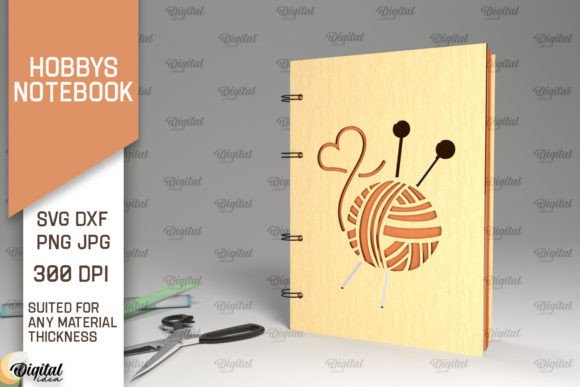
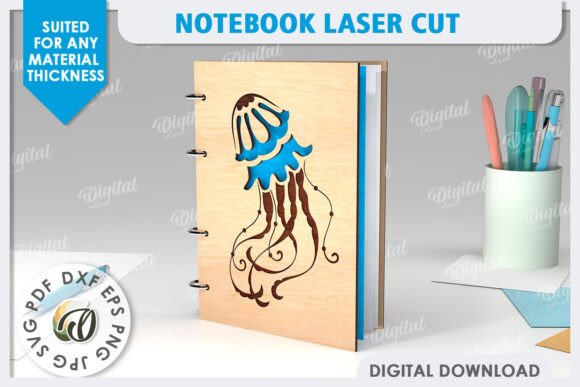
Opening the 3D Wooden Notebook Laser Cut Design file, I was immediately drawn to the clean, layered aesthetic. The design mimics the look of a laser-cut wooden notebook, complete with subtle depth and texture that gives it a tactile, handcrafted appearance. It’s got that modern-rustic vibe that’s been popular in both home decor and personalized gifts.
The layout is balanced—neither too busy nor too sparse. The lines are crisp, and the layered 3D effect suggests it was carefully constructed with layering and stitch depth in mind. It feels like a design that could work for a variety of handmade products, especially those that lean into organic textures and earthy tones.
Real-Life Use: Where This Design Shines
I tested the 3D Wooden Notebook Laser Cut Design on a few different mockups to see how it would translate into actual embroidery work. I started with a cotton tote bag, a popular item for Etsy sellers and small craft businesses. The design held up beautifully—its clean lines and defined layers gave the tote a boutique feel without overwhelming the fabric.
Next, I visualized it on a baby onesie. The notebook theme makes it a charming option for a baby shower gift or a personalized keepsake. I could easily see a name or date stitched alongside it to create a meaningful gift. On a sweatshirt, the design added a subtle statement—just enough to catch the eye without being flashy.
For holiday or wedding gifts, this design could be paired with seasonal or romantic embellishments. It also works well as a standalone motif on embroidered pillow covers or tea towels, especially for a minimalist, nature-inspired aesthetic.
Stitch Clarity and Fabric Considerations
One of the first things I checked was stitch clarity. The 3D Wooden Notebook Laser Cut Design uses a mix of satin and fill stitches effectively. The satin borders help define the edges, while the fill stitches give the layers depth. That said, I’d recommend testing on a scrap of the intended fabric before committing.
Textured or loosely woven fabrics might cause some of the finer lines to get lost, so it’s best to use on smoother materials like quilting cotton, linen, or tightly woven knit blends. On stretchy fabric, I’d suggest using a firm stabilizer to prevent distortion, especially around the corners and edges.
Dark fabrics could also pose a challenge, depending on the thread color used. I’d recommend testing both light and dark thread options to see which brings out the design best. For dark backgrounds, a contrasting thread might help the details pop.
Watch Out for These Potential Pitfalls
- Small hoop sizes: If you're working with a limited hoop, check that the full design fits without compression. The dimensional layers may not render well if scaled down too much.
- Thin or flimsy fabric: This design has defined edges that can pucker on unstable material.
- Curved surfaces: Think twice before placing it on a cap or curved bag panel. The 3D effect may not translate well unless the fabric is taut and the hoop can accommodate the full design.
- Dense stitch areas: Some of the layered sections might create bulk. If you're embroidering on baby items or wearable items, check for comfort after stitching.
How It Impacts Product Value and Customer Appeal
From a product design standpoint, the 3D Wooden Notebook Laser Cut Design elevates the perceived value of a handmade item. It has a clean, modern look that feels intentional and professional—ideal for Etsy sellers or boutique brands looking to stand out.
Customers tend to respond well to designs that feel unique and thoughtfully crafted. This one fits that mold. It’s not overly trendy, so it won’t date quickly, and its versatility makes it suitable for a range of niches—from stationery-themed gifts to rustic nursery decor.
If you're selling digitally embroidered items or offering custom embroidery as part of your craft business, this design could help build brand consistency. Use it across tote bags, patches, and tea towels to create a cohesive product line that customers can recognize and trust.
Practical Notes for Embroidery Designers
Here are a few key takeaways from my hands-on review of the 3D Wooden Notebook Laser Cut Design:
- Test on scrap fabric first: Always check how the design stitches out on your intended material before using it on a final product.
- Review stitch density: Make sure the layers don’t create too much bulk, especially on thinner or stretchy fabrics.
- Check hoop size requirements: Don’t assume it fits your machine—measure and verify before starting a project.
- Inspect small details: Corners and fine lines can get lost if the design is resized or stitched on a low-quality machine.
- Try black and white mockups: This helps assess contrast and clarity before choosing thread colors.
- Confirm licensing: Since this is a digital embroidery file, make sure it’s cleared for commercial use if you plan to sell the finished product or offer it in your shop.
Final Thoughts: A Versatile Design for the Craft-Oriented Entrepreneur
The 3D Wooden Notebook Laser Cut Design is a solid addition to any embroidery designer’s toolkit. It offers a unique, dimensional look that’s both modern and timeless, making it a versatile choice for a wide variety of handmade products.
Whether you're creating custom apparel, personalized gifts, or boutique merchandise, this design can help elevate your offerings. Just be mindful of fabric type, hoop size, and stitch density to ensure the best results. And as with any digital embroidery file, always confirm compatibility and licensing before using it in a commercial setting.
If you're an Etsy seller, small shop owner, or creative entrepreneur looking for a design that balances style and function, the 3D Wooden Notebook Laser Cut Design is definitely worth considering.